

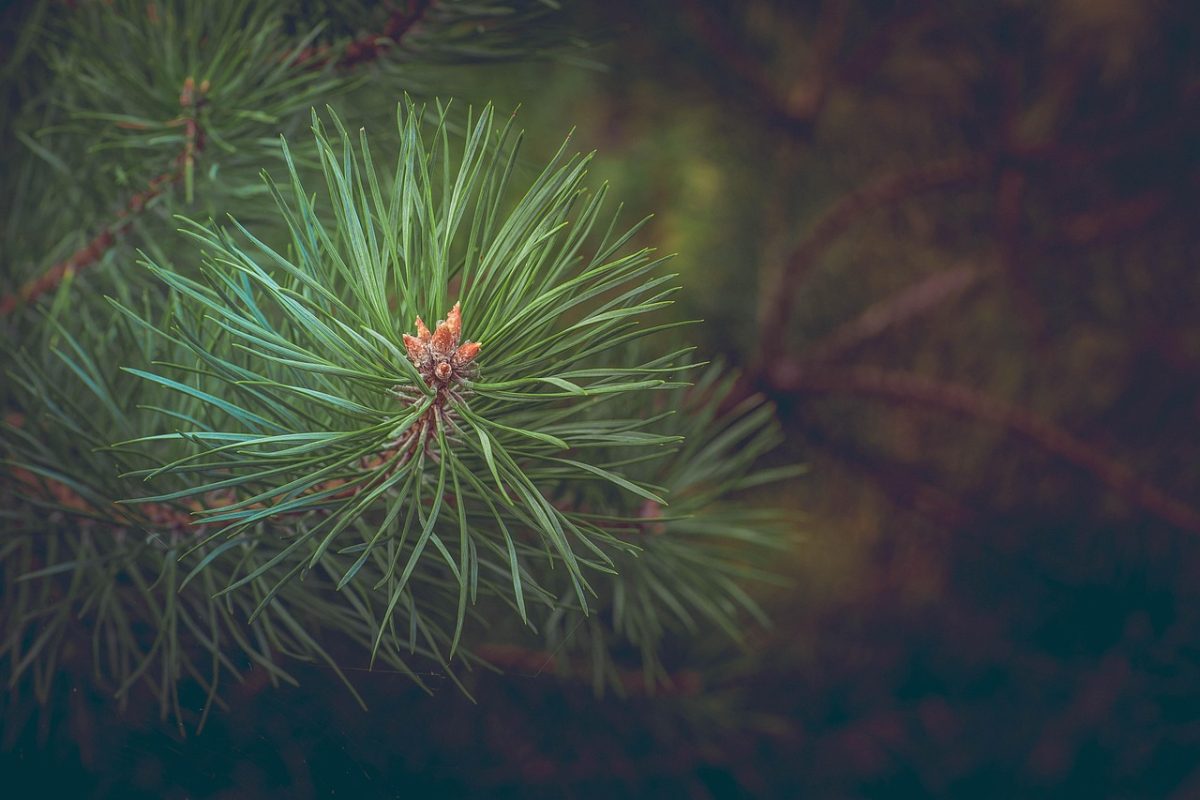
Reaching over 60 meters (200 feet) in height, the Western White Pine (Pinus monticola) is one of British Columbia’s tallest and most valuable conifers. Found in both coastal and interior forests, this tree is known for its straight trunk, soft needles, and high-quality wood.
As a fast-growing species, Western White Pine is an important part of BC’s forestry industry and natural ecosystems, supporting wildlife and maintaining biodiversity.
How to Recognize Western White Pine
- Needles: Soft, bluish-green, and grow in bundles of five.
- Bark: Smooth and gray in young trees, becoming darker and deeply ridged with age.
- Shape: Tall and straight, forming an open, airy canopy.
Where Western White Pine Thrives
- Coastal rainforests, growing in moist, mild climates.
- Mountain forests, particularly in BC’s interior valleys and plateaus.
Why Western White Pine is Important
- Supports wildlife, providing food and shelter for birds and mammals.
- Prevents soil erosion, stabilizing slopes and riverbanks.
- Is a key lumber species, producing lightweight yet strong wood.
Western White Pine in Forestry
- Used for construction, thanks to its straight grain and durability.
- Ideal for furniture, doors, and trim, as it resists shrinking and warping.
- Harvested for paper and plywood production.
Wildlife and Western White Pine Forests
- Bears and deer rely on its forests for shelter.
- Squirrels and birds eat its seeds.
- Woodpeckers nest in older trees.
Fun Facts About Western White Pine
- It is one of the fastest-growing pines in BC.
- Its soft, straight wood is highly valued for woodworking.
- Indigenous peoples used its bark for medicine and tea.
- White Pine Blister Rust has reduced its population, but efforts are underway to restore it.