

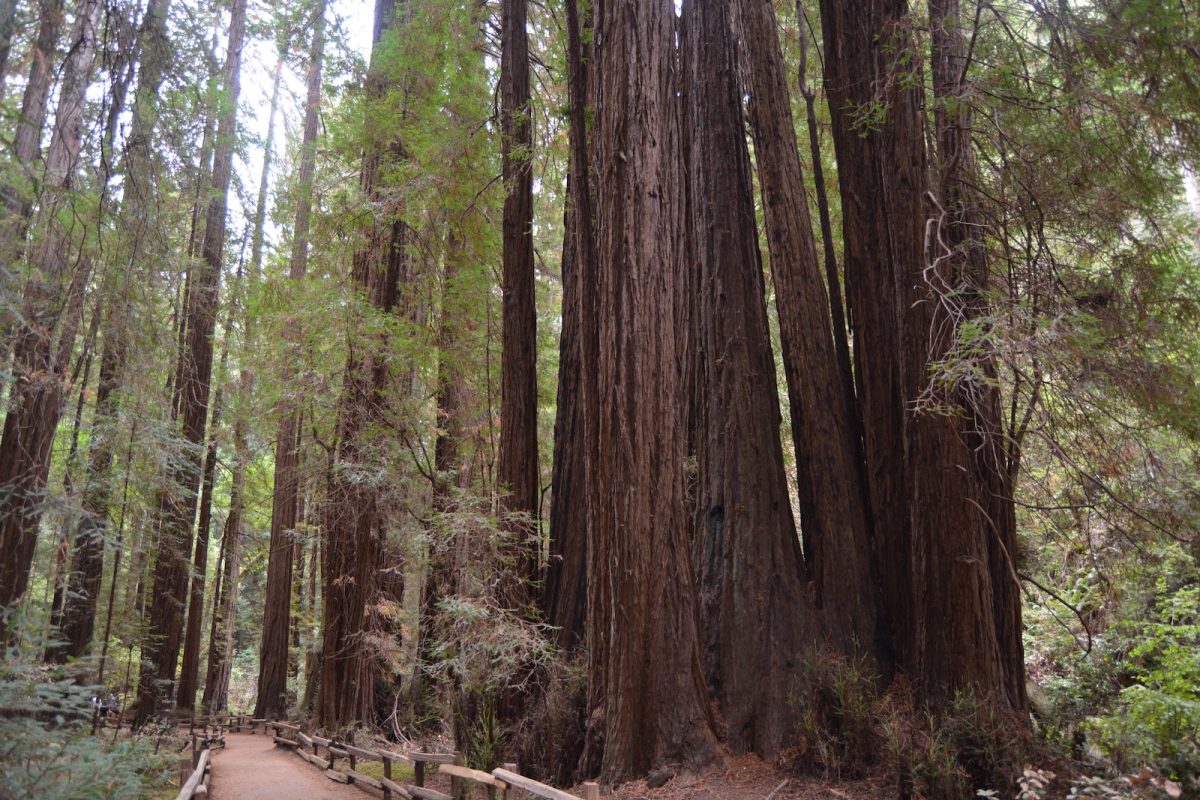
Towering above BC’s misty coastal rainforests, the Western Red Cedar (Thuja plicata) is one of the province’s most iconic and valuable trees. With its massive size, deeply grooved bark, and soft, fragrant needles, it has been used for centuries in Indigenous traditions, forestry, and ecological preservation.
How to Recognize Western Red Cedar
- Needles: Small, scale-like, and arranged in flat, overlapping sprays.
- Bark: Reddish-brown, peeling in fibrous strips.
- Size: One of BC’s tallest trees, reaching 70+ meters (230 feet).
Where Western Red Cedar Thrives
- Coastal rainforests, where it grows in dense, wet conditions.
- Interior forests, found in moist, shaded valleys.
Why Western Red Cedar is Essential
- Prevents erosion, stabilizing riverbanks and slopes.
- Provides habitat for birds, mammals, and insects.
- Is a key part of BC’s economy, supplying durable lumber.
Economic and Cultural Uses
- Used in construction, for shingles, decks, and furniture.
- Integral to Indigenous traditions, providing canoes, clothing, and tools.
- Highly valued in landscaping, due to its natural resistance to decay.
Wildlife in Western Red Cedar Forests
- Black bears and deer shelter beneath its towering canopy.
- Woodpeckers and owls nest in its hollow trunks.
- Fish benefit from its roots, which help regulate water temperature.
Fun Facts About Western Red Cedar
- Known as the “Tree of Life” in Indigenous cultures.
- Can live for over 1,500 years, making it one of BC’s oldest trees.
- Its wood contains natural preservatives, making it highly rot-resistant.