

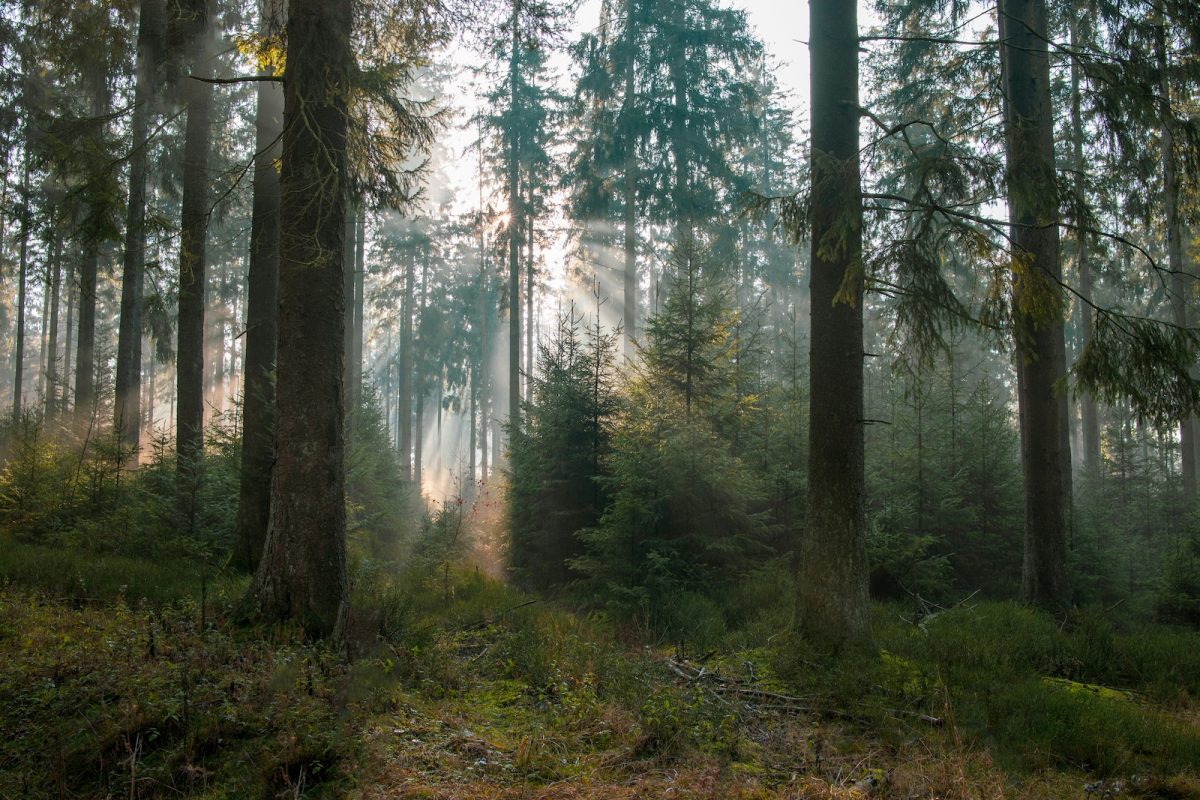
Growing in BC’s lush coastal and interior rainforests, the Grand Fir (Abies grandis) is a giant of the conifer world, reaching over 75 meters (250 feet) in height. With its dark green needles, towering form, and distinctive citrus fragrance, it is one of BC’s most impressive and valuable trees.
Recognizing Grand Fir
- Needles: Flat, glossy, and sweet-smelling when crushed.
- Bark: Smooth and gray when young, rougher and furrowed with age.
- Growth Habit: Tall and straight, forming dense, green forests.
Importance of Grand Fir
- Provides erosion control in wet forest regions.
- Supports BC’s forestry industry.
- Creates critical wildlife habitat.
Uses of Grand Fir
- Lumber and plywood production.
- Pulpwood for high-quality paper.
- Popular Christmas trees due to their fragrance and shape.
Wildlife in Grand Fir Forests
- Elk and deer browse on young saplings.
- Owls and songbirds nest in its dense branches.
- Bears use its forests as den sites.
Fun Facts About Grand Fir
- Its needles smell like tangerines or lemons when crushed.
- It can live for over 300 years.
- Indigenous groups used its bark for medicinal remedies.
Conclusion
The Grand Fir is a defining species of BC’s coastal and interior forests, offering timber, wildlife shelter, and natural beauty. Whether standing tall in a rainforest or used in construction, this majestic tree is a vital part of British Columbia’s landscapes.