

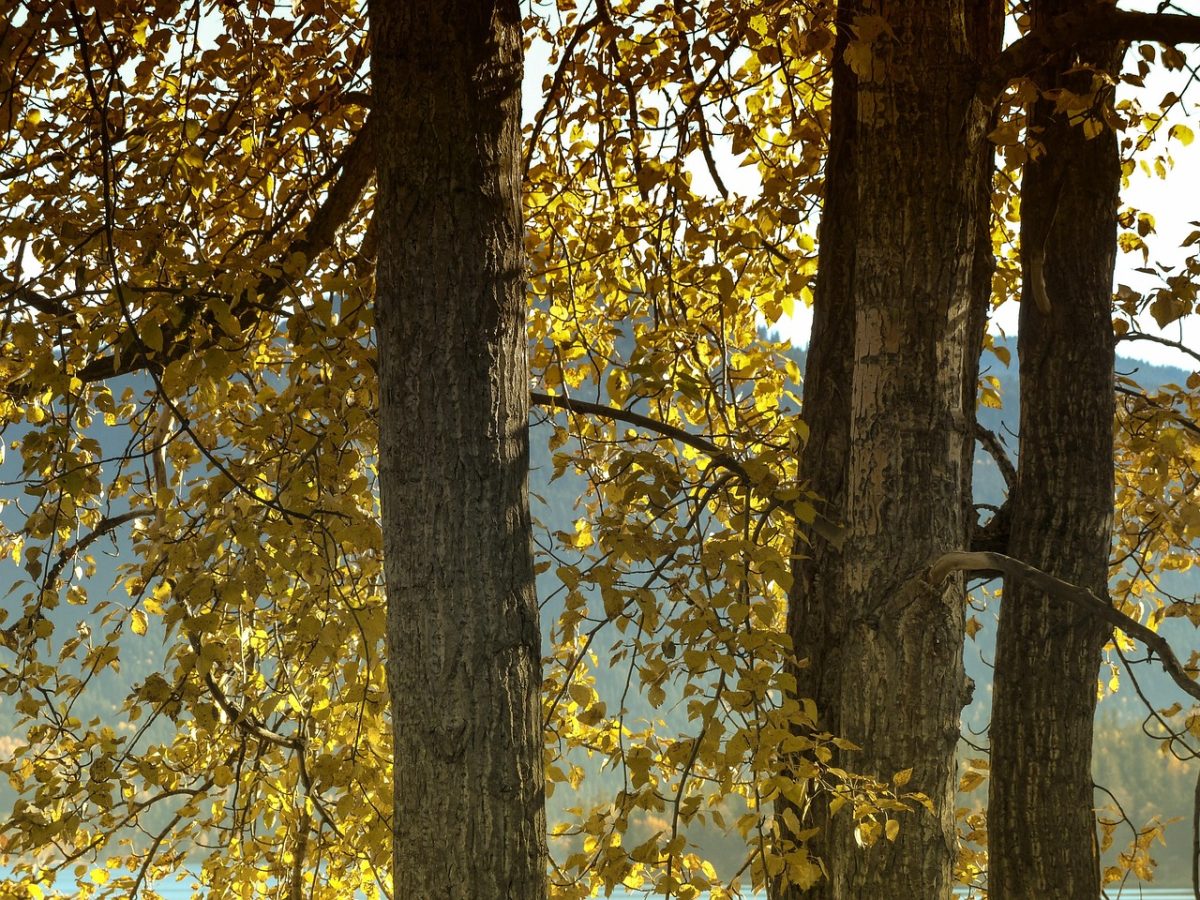
The Black Cottonwood (Populus trichocarpa) is one of British Columbia’s most important riparian trees, growing along riverbanks, lakes, and wetlands. As a fast-growing deciduous tree, it stabilizes shorelines, filters water, and provides habitat for wildlife.
How to Identify Black Cottonwood
- Leaves: Heart-shaped, dark green on top, with a pale underside.
- Bark: Light gray and smooth when young, turning dark and deeply grooved as it matures.
- Growth Rate: Can grow over 1 meter (3 feet) per year, making it BC’s fastest-growing tree.
Why Black Cottonwood is Crucial
- Prevents erosion, protecting riverbanks from flooding.
- Improves water quality, absorbing pollutants from wetlands.
- Provides critical nesting sites for birds.
Economic and Indigenous Uses
- Harvested for pulp, paper, and softwood products.
- Used in furniture, crates, and plywood.
- Indigenous peoples used its bark and resin for medicine and waterproofing.
Wildlife in Black Cottonwood Forests
- Beavers use its branches to build dams.
- Bears and deer shelter in its forests.
- Salmon benefit from its shade, which keeps water cool.
Fun Facts About Black Cottonwood
- It is one of the tallest broadleaf trees in North America.
- Its seeds are covered in fluffy white fibers, helping them spread on the wind.
- It produces a sweet, sticky resin, which acts as a natural antiseptic.
- Some Black Cottonwoods in BC are over 200 years old.