

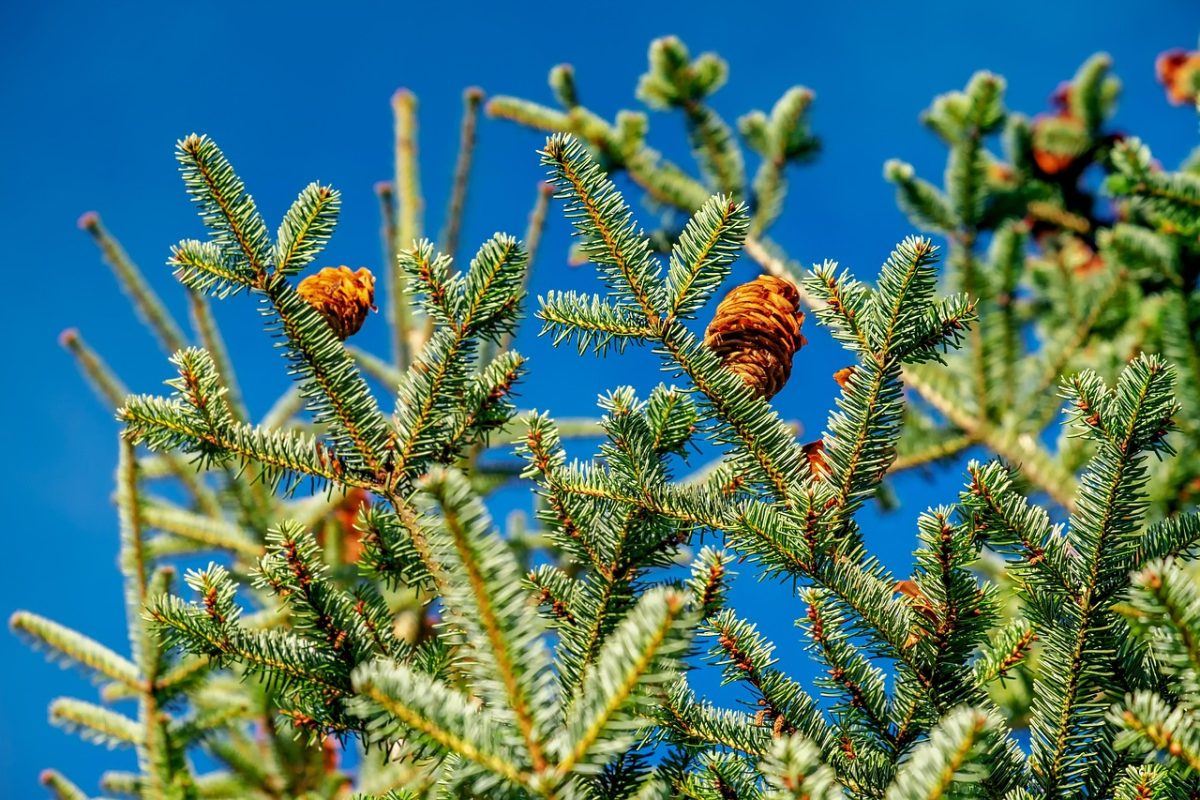
When people think of Douglas Fir, they often associate it with the lumber industry. But this towering tree is much more than just a source of timber—it is an essential part of British Columbia’s landscapes, ecosystems, and cultural history.
Growing in both coastal and interior environments, Douglas Fir has adapted to a variety of conditions. Its strength, resilience, and longevity make it a vital species in BC’s forests, where it plays a critical role in biodiversity, wildfire resistance, and habitat creation.
A Resilient and Hardy Species
One of Douglas Fir’s most remarkable traits is its ability to withstand environmental challenges. Thanks to its thick bark, mature trees can survive wildfires better than most other species. Even after fire or logging, Douglas Fir often regenerates quickly, helping to restore forests.
In addition to its fire resistance, the tree’s deep roots anchor it firmly in the ground, making it less susceptible to windstorms. This is why many Douglas Firs grow to incredible sizes and live for hundreds, even thousands, of years.
Beyond the Timber Industry
Although Douglas Fir is one of the most commercially valuable trees in Canada, its importance goes far beyond its wood products. The tree provides critical habitat for wildlife, including many birds and mammals that rely on its thick canopy for protection.
Douglas Fir is also culturally significant. Indigenous groups in BC have long used its wood, resin, and bark for building, medicine, and ceremonies. Even today, it remains an essential part of BC’s natural heritage.
Fun Facts About Douglas Fir
- Its wood is one of the strongest and most durable of any North American tree species.
- The tree’s thick bark makes it highly resistant to fire, allowing it to survive wildfires better than most species.
- Some of BC’s oldest living Douglas Firs are estimated to be over 1,000 years old.
Conclusion
The Douglas Fir is more than just lumber—it’s a tree that supports ecosystems, withstands natural disasters, and provides cultural and economic value. As one of BC’s most important trees, it continues to shape the landscapes of the province and remains a key species for both the environment and industry.